My Journey in AI and Healthcare
- 6+ years building ML models (MRes, PhD and industry)
- Biochemistry-trained since 2016; building ML for genomics since 2019
- 10 Peer-reviewed publications, including 5 as first author
- (2 further papers currently being peer reviewed)
Resume
I build deep learning models on genomic sequence: graph attention networks, LSTMs, and now gene expression prediction, from research prototype to cloud pipeline.
Experience
Machine Learning Engineer
Biographica
Apr 2026 to Present
Machine Learning Consultant
Deep Science Ventures
Mar 2025 to Oct 2025
Machine Learning Intern
LinkGevity
Aug 2024 to Oct 2024
Data Science Intern
ByteDance
Aug 2022 to Feb 2023
Trainee
Syngenta
Jun 2017 to Aug 2017
Education
PhD - Machine learning for Infectious Disease Genomics
(group website)
London School of Hygiene and Tropical Medicine
Oct 2021 to Mar 2026
Master of Research Bioengineering (Merit)
Imperial College London
Oct 2019 to Oct 2020
BSc Biochemistry (First Class Honours)
King's College London
Sep 2016 to Jul 2019
Skills
PyTorch / JAX / TensorFlow / PyG / Hugging Face
Python / C++ / R / scikit-learn / NumPy / Pandas
AWS / GCP / Azure / Linux / Bash / Git / Nextflow
BWA-MEM / SAMtools / BCFtools / GATK / PLINK2 / BEAST2
Publications
2026
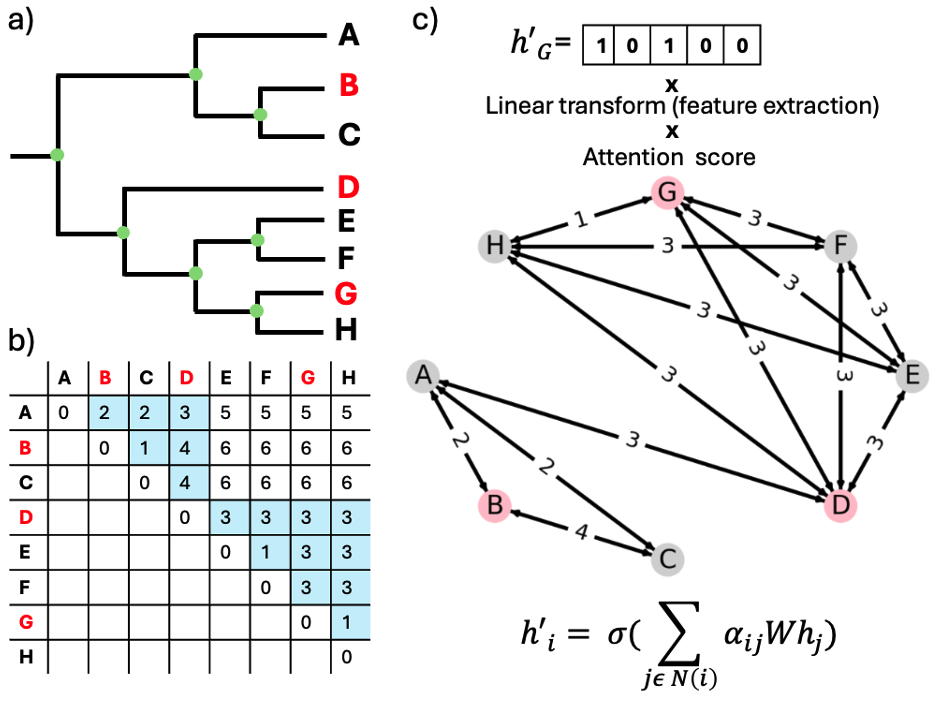
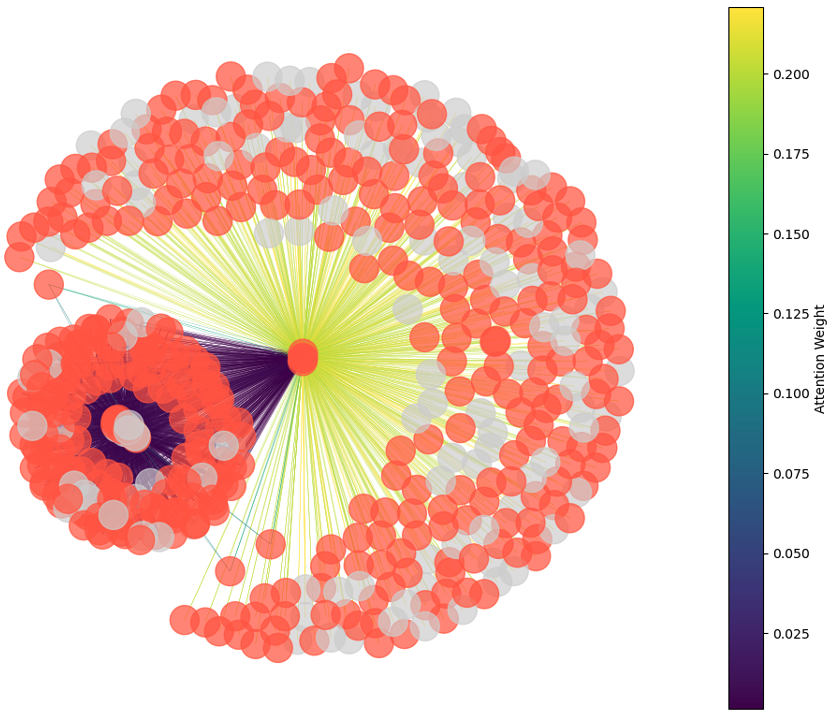
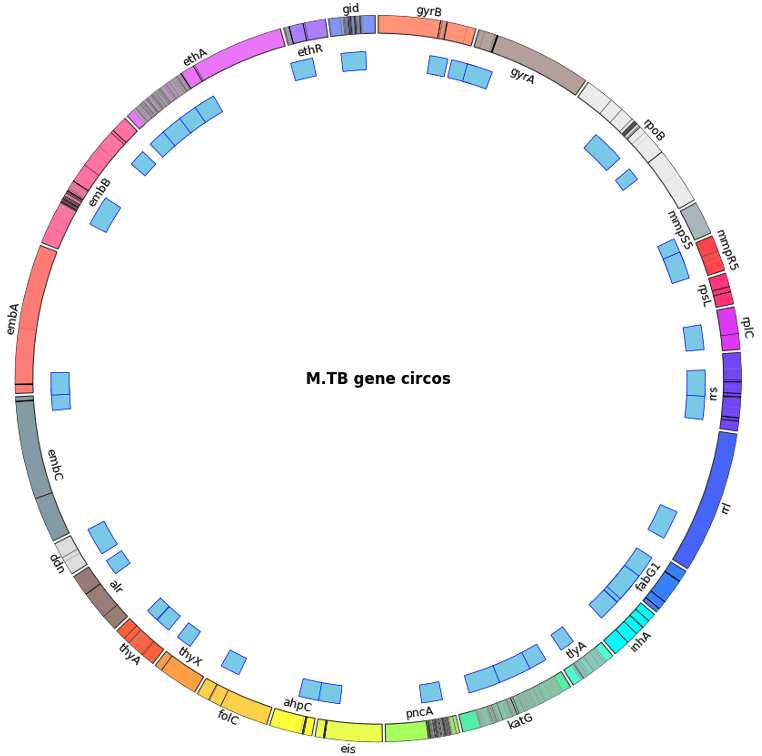
- Wang L, Campino S, Clark TG, Phelan JE. Decoding positive selection in Mycobacterium tuberculosis with phylogeny-guided graph attention models. BMC Bioinformatics. doi:10.1186/s12859-026-06583-0
2025
- Wang L, Thawong N, Thorpe J, Higgins M, Ik MTK, Sawaengdee W, Mahasirimongkol S, Perdigão J, Campino S, Clark TG, Phelan JE. TOAST: a novel tool for designing targeted gene amplicons and an optimised set of primers for high-throughput sequencing in tuberculosis genomic studies. BMC Genomics 26(1). doi:10.1186/s12864-025-12247-9
- Wang L, Campino S, Clark TG, Phelan JE. LSTM-based deep learning model for the discovery of antimicrobial peptides targeting Mycobacterium tuberculosis. Bioinformatics Advances. doi:10.1093/bioadv/vbaf274
- Wang L, Campino S, Clark TG, Phelan JE. A multi-stage machine learning framework for stepwise prediction of tuberculosis treatment outcomes: integrating gradient boosted decision trees and feature-level analysis for clinical decision support. Research Square (preprint). doi:10.21203/rs.3.rs-7558046/v1
- Thawong N, Sriloha P, Phelan JE, Phornsiricharoenphant W, et al., Wang L, Clark TG. Genomic analysis of tuberculosis in Thailand. Research Square (submitted).
- Data Study Group Team. Detecting shallow gas from marine seismic images. The Alan Turing Institute. Final report
2024
- Wang L, Lim DR, Phelan J, Campino S, Hibberd ML. WGS of TB in the Philippines. Sci Rep 14:70471.
- Phelan J, Niazi F, Wang L, Ngwana-Joseph GC, et al. TGV: tools to visualize transmission graphs. NAR Genomics Bioinform 6(4).
2023
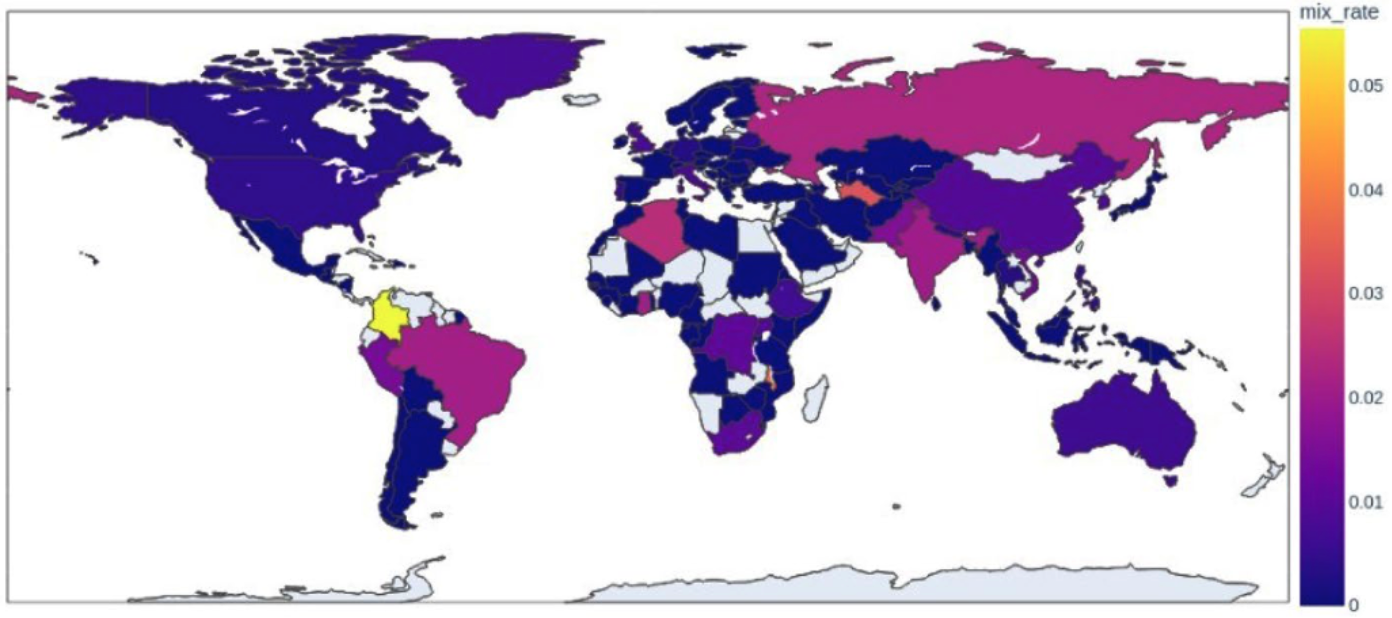
- Wang L, Campino S, Phelan J, Clark TG. Mixed infections in drug-resistant TB. Sci Rep 13:1–8.
- Libiseller-Egger J, Wang L, Deelder W, Campino S, et al. TB-ML: comparing ML models for TB drug resistance. Bioinform Adv.
(More in Google Scholar…)
Current work: Biographica
Gene expression from DNA sequence: deep learning for crop gene-editing targets
At Biographica I build deep learning models that predict gene expression from DNA sequence, which we use to prioritise gene-editing targets in crops. Alongside the models I work on a gene-identification pipeline that runs across tomato accessions, and we are extending the same approach to yeast.
Thesis
Infectious Disease Genomics Meets AI: Scalable Models, Interpretable Tools, and Data-Driven Diagnostics


Fun Experience
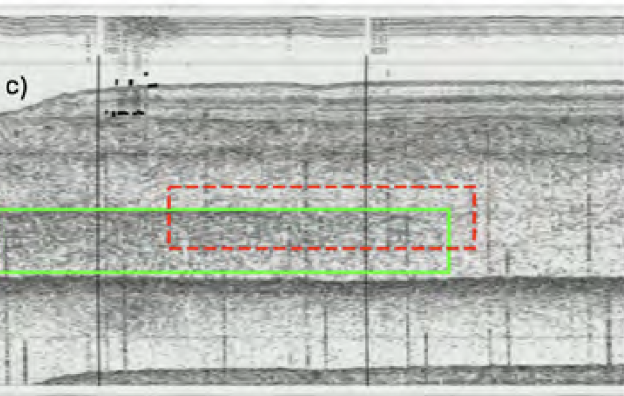
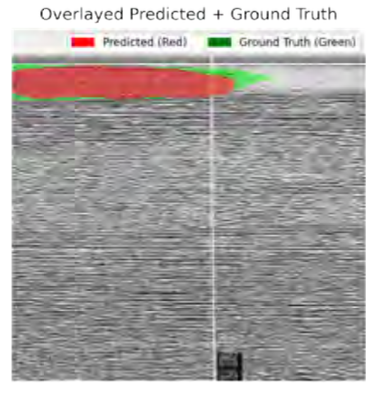
Turing DSG Hackathon: Detecting Shallow Gas from Marine Seismic Images (Alan Turing Institute: Data Study Group challenge)
- Explored CNN architectures and ensemble approaches for geospatial pattern recognition.
- Developed classification, segmentation, and object detection models for shallow gas pocket identification in noisy, low-contrast marine datasets.
- Contributed to the end-of-sprint report for industrial partner BP, presenting results with interpretability-focused visualizations.


Teaching Trips
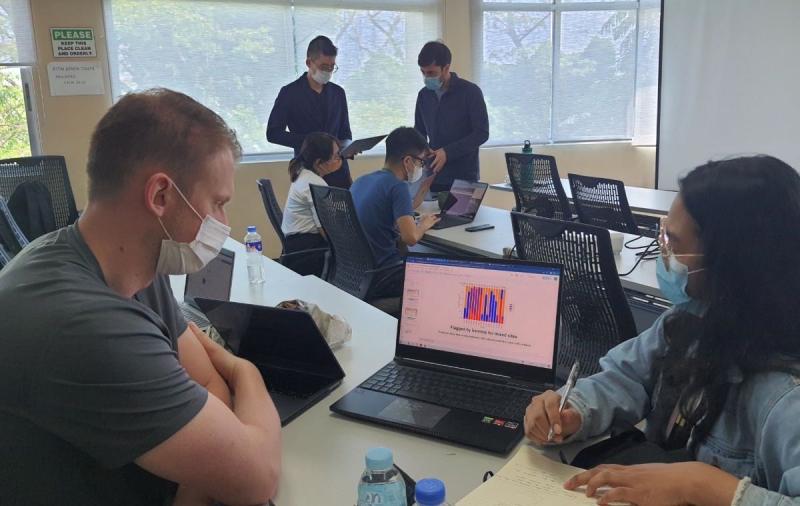
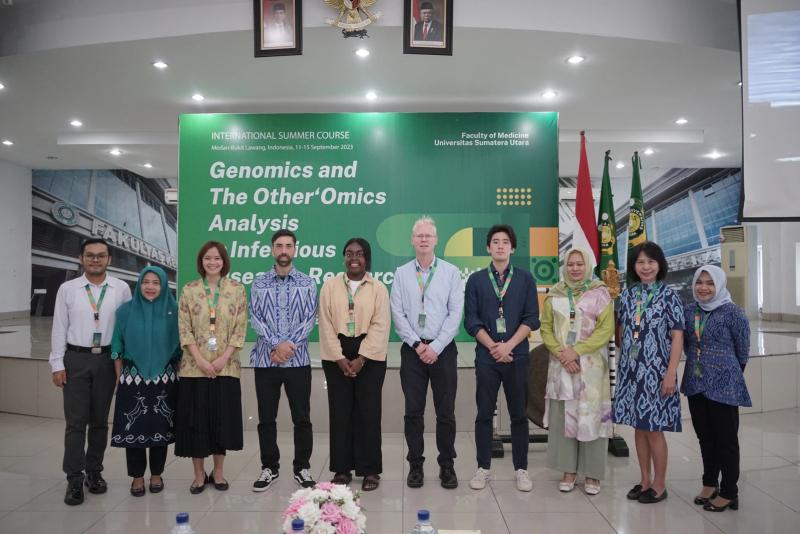
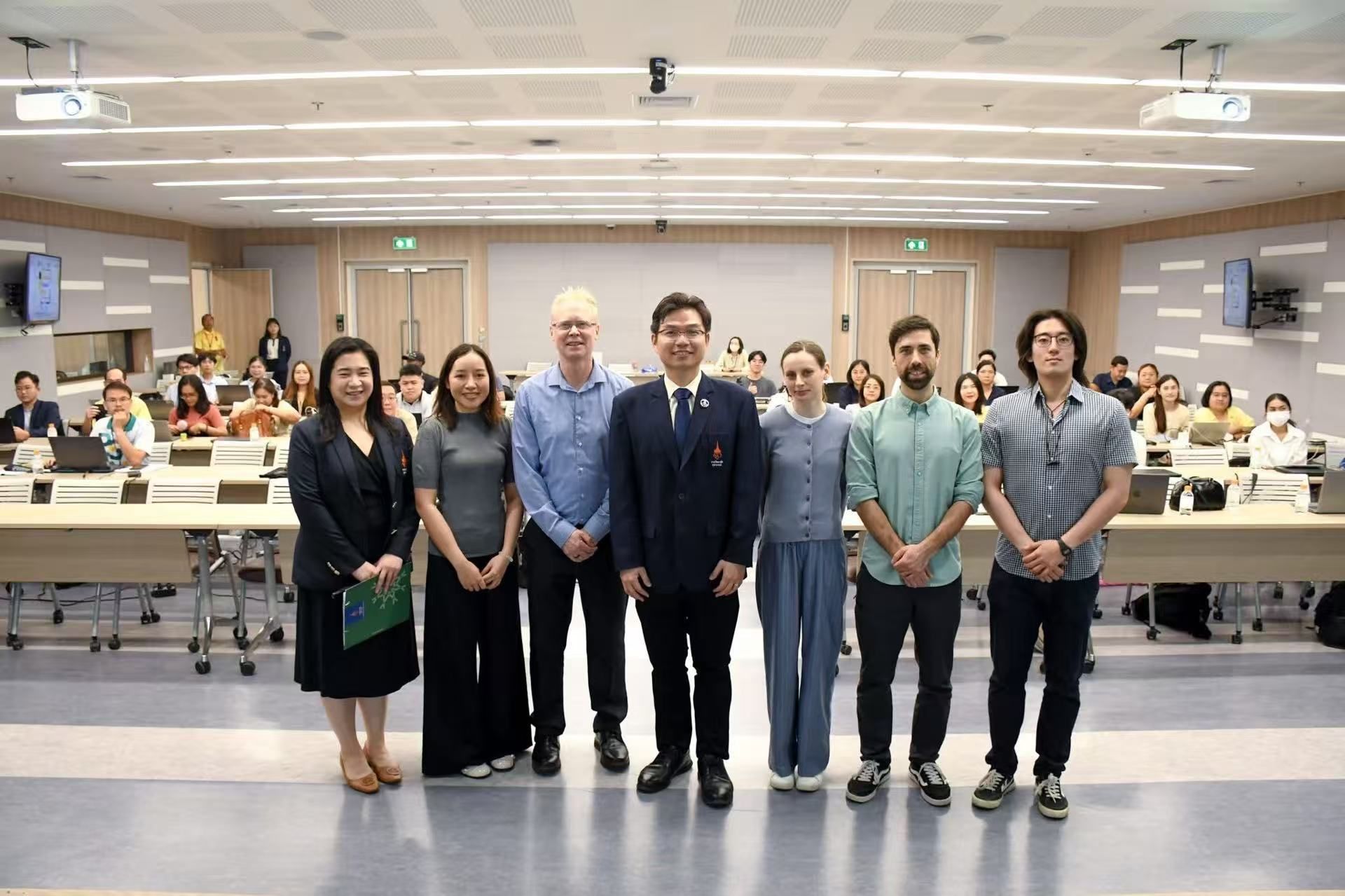
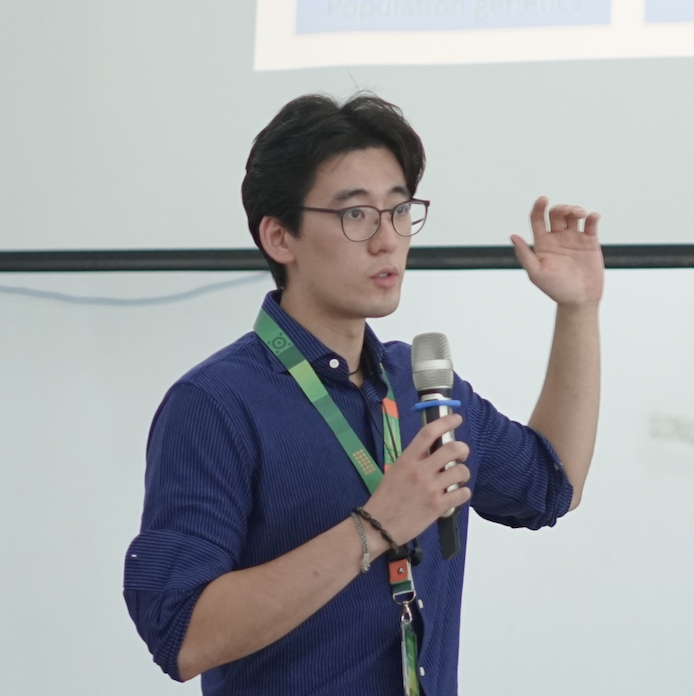
Data & AI: for pathogen genomics (Philippines, Indonesia, Thailand, UK)
- Teaching Bash programming and the use of command-line based software.
- Teaching the mathematics and biology behind the genomics sequencing pipeline we developed in house.
- Building a RAG chatbot with LangChain and ChromaDB, grounded in the course content, for interactive participant Q&A.
- Individual problem-solving workshops: providing AI and bioinformatics solutions to real research problems on a case-by-case basis.